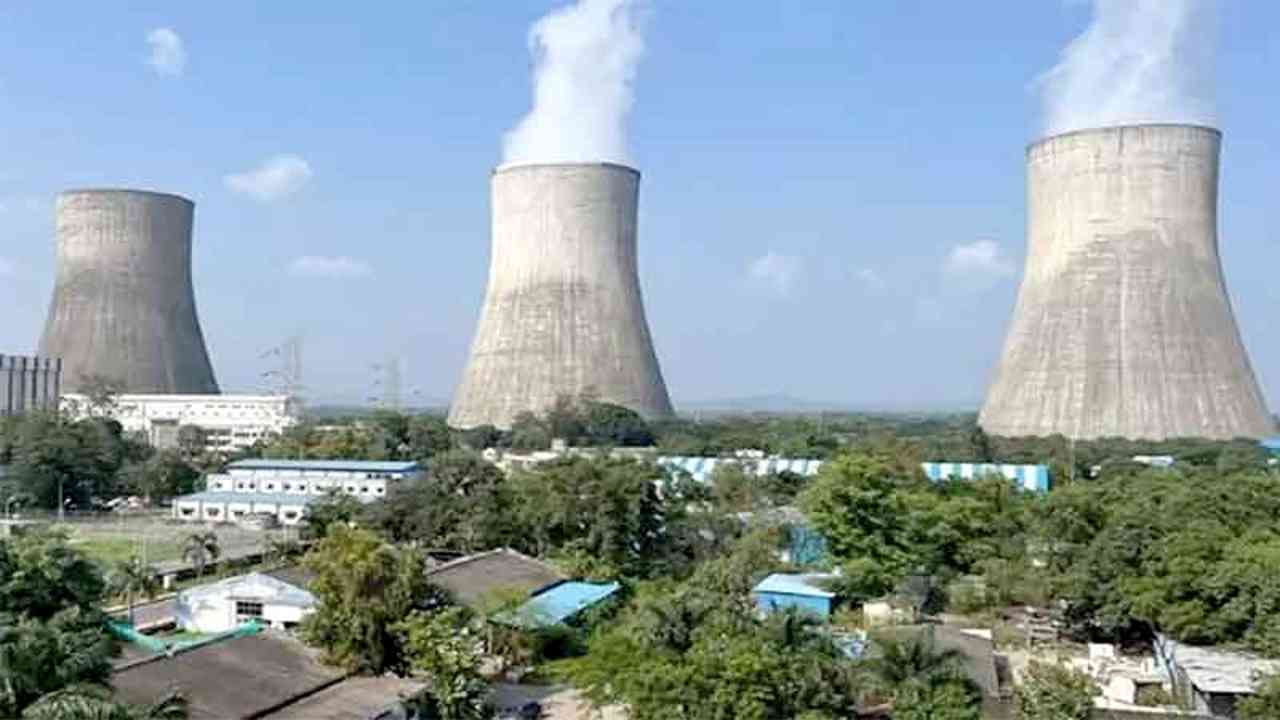
A wide coalition of citizens’ groups, people’s movements, labour unions and student organisations has strongly opposed the Modi government’s attempt to privatize India’s nuclear energy sector. In a statement, various organisations including the Coalition for Nuclear Disarmament and Peace (CNDP), National Alliance of Anti-nuclear Movements (NAAM), AICCTU, AISA, People’s Movement Against Nuclear Energy (PMANE), All India People’s Forum (AIPF), National Alliance of People’s Movements (NAPM) and several others demanded an immediate halt to the government’s plan to open the nuclear sector to private corporations. In the statement issued, they noted that privatization of nuclear power represents a serious and unacceptable threat to public health, environmental safety and democratic accountability.
Full Text of the Statement:
We, the undersigned supporters of the radiation victims of the various operations along India’s nuclear fuel cycle, vehemently oppose the opening up of India’s public nuclear energy sector to private industries. The Government of India is entrusted with the duty of protecting environmental and public health. Involving private industries that have no such duty of ensuring protection as designers, owners, operators or users of nuclear facilities can result in compromises in safety in design, operations, maintenance and disposal of radioactive materials and equipment.
It is deeply disturbing that this privatization of the nuclear energy sector is happening in a context of weakened nuclear and environmental regulatory norms. In the last 10 years, the regulatory agencies have been forfeited of their already minimal and mostly non-binding legally given powers. For example, the public consultation process before mining of rare earths and radioactive materials was removed in September 2025. This process helps the Pollution Control Board to have a better understanding of local concerns and knowledge for evaluating the risks of potential environmental and health hazards of a proposed project. To marginalize the voices of local people and simultaneously open up their lands to private industries for using radioactive materials is simply nonsensical. Needless to say, traces of radioactive materials take millions of years to completely decay, thereby causing slow violence to our ecologies and to our bodies. As it is, making the latest news headlines is the scientific discovery of radioactive breast milk in Bihar’s Gangetic plains region among lactating mothers, probably caused by uranium contamination of groundwater.
Furthermore, internationally there is neither scientific consensus on how to permanently dispose of radioactive waste nor on what the safety limit for radiation exposure is. It is appalling and criminally dangerous that the government is considering relaxing the public control of such materials. Additionally, between 2000-2010, there were 16 cases where private holders of radioactive sources lost control over them and 11 of these sources were never recovered by the Atomic Energy Regulatory Board (AERB). Out of these at least 9 were radiography instruments used in mostly private, and public industries while others were stolen or missed during transport, disposed of in rivers, or have been recovered from villages whose residents have suffered some degree of exposure. Should the private sector be given the authority to use, if not possess, such radioactive equipment, there is greater likelihood for these to be stolen or lost causing public harm, intentionally or unintentionally.
Given all these alarming concerns, we, the undersigned, vehemently condemn the tabling of the Atomic Energy Bill, 2025 and the reported amendments to the Civil Liability for Nuclear Damage Act, 2010 for attracting private investments. We urge opposition parties to use all that is in their power to stop the privatization of the nuclear energy sector. We are appalled and deeply disturbed by the current Government of India abandoning its duty to protect Indian citizens and India’s ecology from these dangers. We demand a shift from authoritarian control of nuclear policy towards a nuclear 'public' policy that involves and protects people and the environment from all nuclear/radioactive hazards. We also demand the eventual decommissioning of all such nuclear operations which pose enormous risks to future generations.