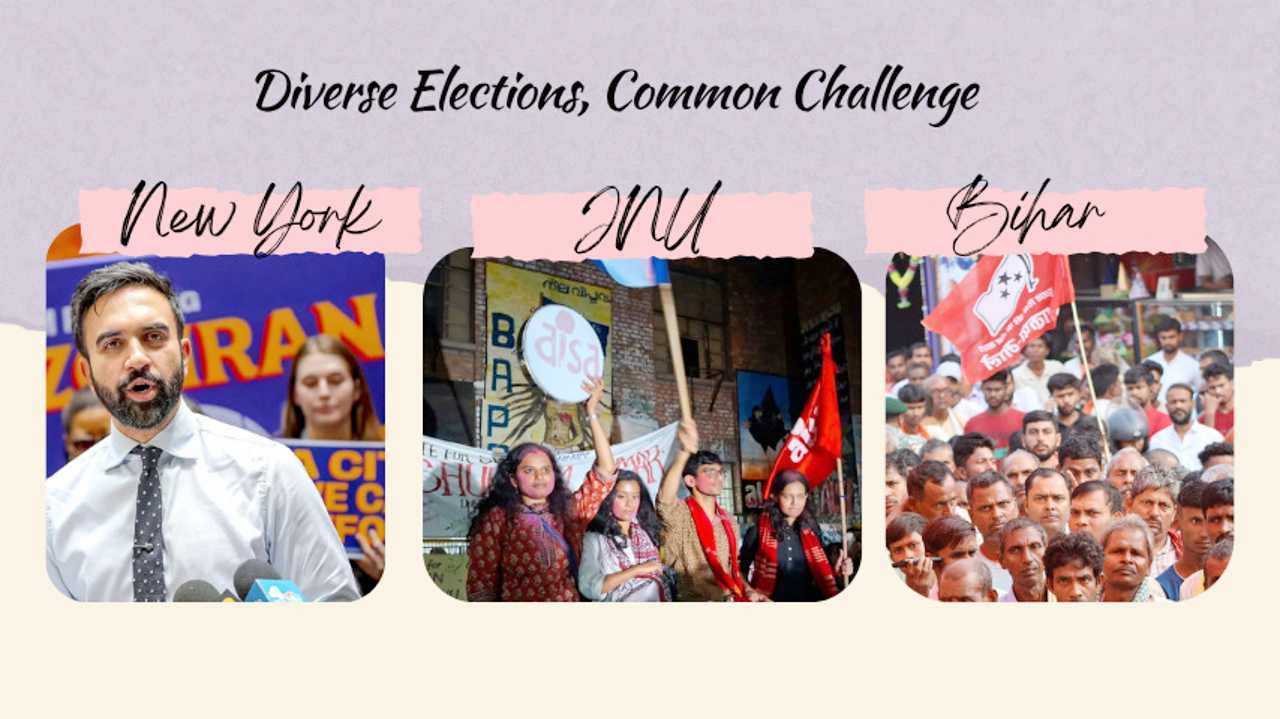
Ahead of the two-phase Bihar Assembly elections, we had two very significant electoral battles with inspiring outcomes - the mayoral election in New York and closer to home, the students union election in Delhi's Jawaharlal Nehru University. Historically New York city has always been a Democratic stronghold and JNUSU has been a bastion of Left student organisations. So on the face of it there was nothing extraordinary in another Democratic Mayor getting elected in New York City or another Left panel sweeping the elections in JNU. But a closer look will tell us why the victory of Zohran Mamdani in New York and the clean sweep of the Left panel in JNU are truly historic.
Zohran Mamdani created history once already when he won the mayoral primary election of the Democratic Party to choose its mayoral candidate by defeating his powerful rival former Governor Andrew Cuomo on 24 June. And now his final victory as the first immigrant and Muslim Mayor of New York has been a tight slap to the racist far-right Trump Presidency. Zohran's victory marks the potential of a powerful Socialist counter current in American politics at a time when the US is experiencing the worst kind of far-right white supremacist and hyper-nationalist tyranny. His victory in the primary enraged the Trump-Netanyahu combine and the billionaire club led by Elon Musk and his ilk like anything and Mamdani was demonised as a crazy lunatic. His victory also defeated this extreme anti-Communist streak of conservative American politics which considers anything leftwing as 'un-American'.
Commonsense political wisdom could never imagine such a clear and emphatic victory for an 'outsider' like Mamdani especially with his bold economic and political positions like espousal of rent freezes, free transport, affordable childcare, living wages, and other basic rights and welfare measures for the working people, advocacy of equal rights, safety and dignity for immigrants and strong support for Palestinian freedom and condemnation of Israeli war crimes and genocidal occupation. Being an immigrant and a Muslim, his identity was perceived by many as a ‘disadvantage’ in an America dominated by Trump's Islamophobic anti-immigrant MAGA doctrine. Yet he ran a campaign that proudly embraced these identities and turned the diverse immigrant population of New York into a powerful united constituency and the agenda of the working people's right to the city, the call for reclaiming New York city and American democracy into a winning theme in the Mayor election. His vibrant social media campaign and energetic mass contact programme would become a new textbook of progressive election strategy opening up a new space for democratic socialists in an era of rabid far right offensive.
Elections to the Jawaharlal Nehru University Student Union have traditionally been a shining example of vibrant campus democracy animated by progressive Left forces, especially the radical Left stream of student politics under the leadership of the All India Students Association. But the Modi era has seen a steady rise of the Akhil Bharatiya Vidyarthi Parishad, the far right Hindu supremacist student organisation of the Sangh brigade. The rise has been facilitated by the neoliberal New Education Policy that promotes privatisation at the cost of public-funded institutions of higher education and research and the RSS campaign of institutional capture which is subverting progressive campuses from within by packing the faculties with RSS appointees, changing curricula of education and research and regimenting and vitiating the environment of the campus.
Ahead of the JNUSU election, the ABVP unleashed an ugly campaign of violence, communal hate and casteist abuse and the RSS organised a big Shakha parade as part of its centenary celebration. Victory in JNU would have been the best proof of the Sangh's ideological hegemony in its centenary year. But not only did the ABVP fail to win any of the central panel posts, it also drew a blank among councillors in all the major schools. The ABVP in JNU does not have the courage to engage in an ideological debate with the progressive camp, it relies more on muscle and money power and undue institutional backing and influence by people in positions of power. The Left student movement remains resilient enough to defeat this ploy and it will have to continue to face this challenge by strengthening its role as the champion of student welfare and democracy, within and beyond the campus.
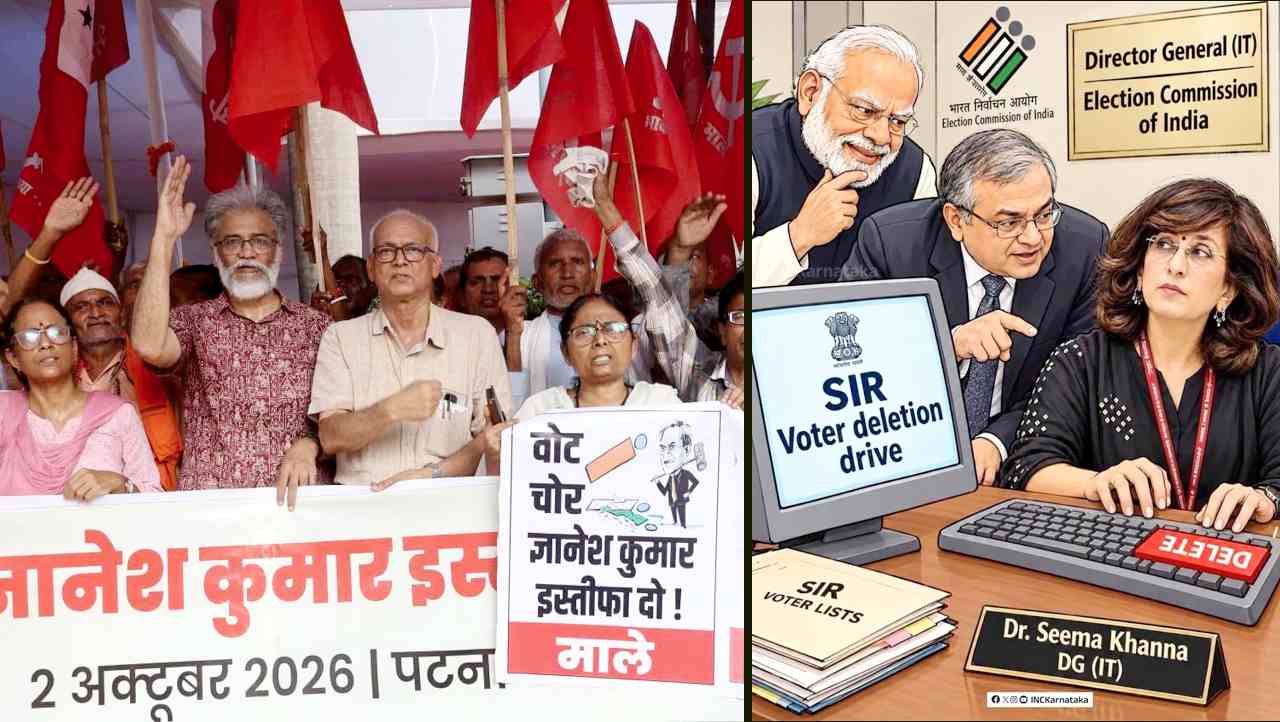
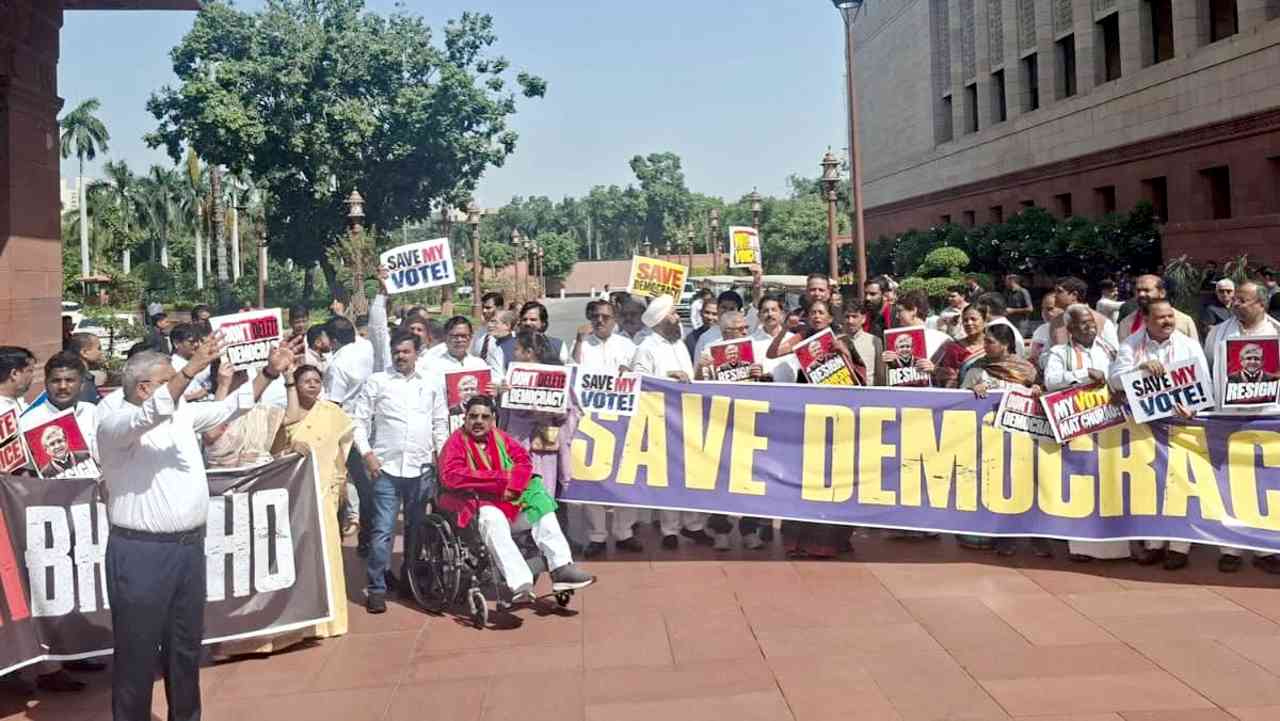
In many ways, the people of Bihar face the same challenge of far-right aggression. In an election where the people were getting ready to dethrone the two-decade-old NDA government and end the prolonged reign of institutionalised corruption, syndicated crime and economic mismanagement resulting in chronic poverty and pervasive unemployment, the election scene got disrupted by an unprecedented reconstruction of the electoral roll. Accompanying the resultant disenfranchisement and disruption was an unprecedented dose of financial populism that entailed money transfer of ₹30,000 crore to some thirty million beneficiaries right in the middle of the elections. But the people of Bihar have fought hard against this electoral disruption and it remains to be seen if Bihar can secure a great victory over the fascist expedition of the BJP just as the working people of New York and students of JNU have done.