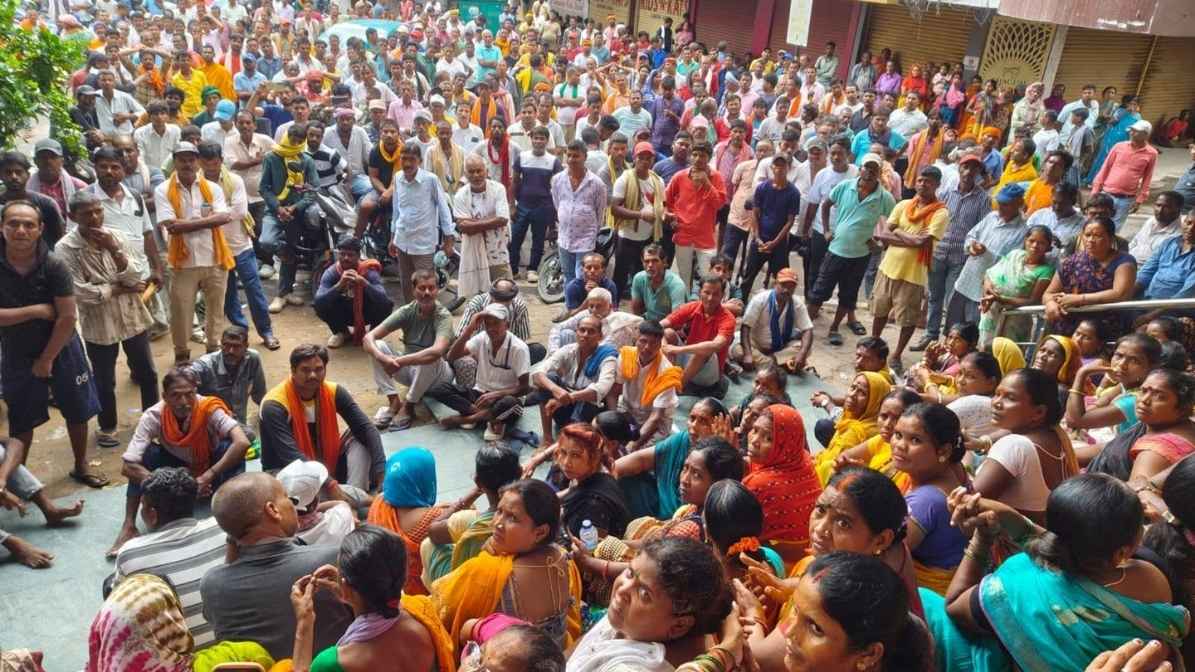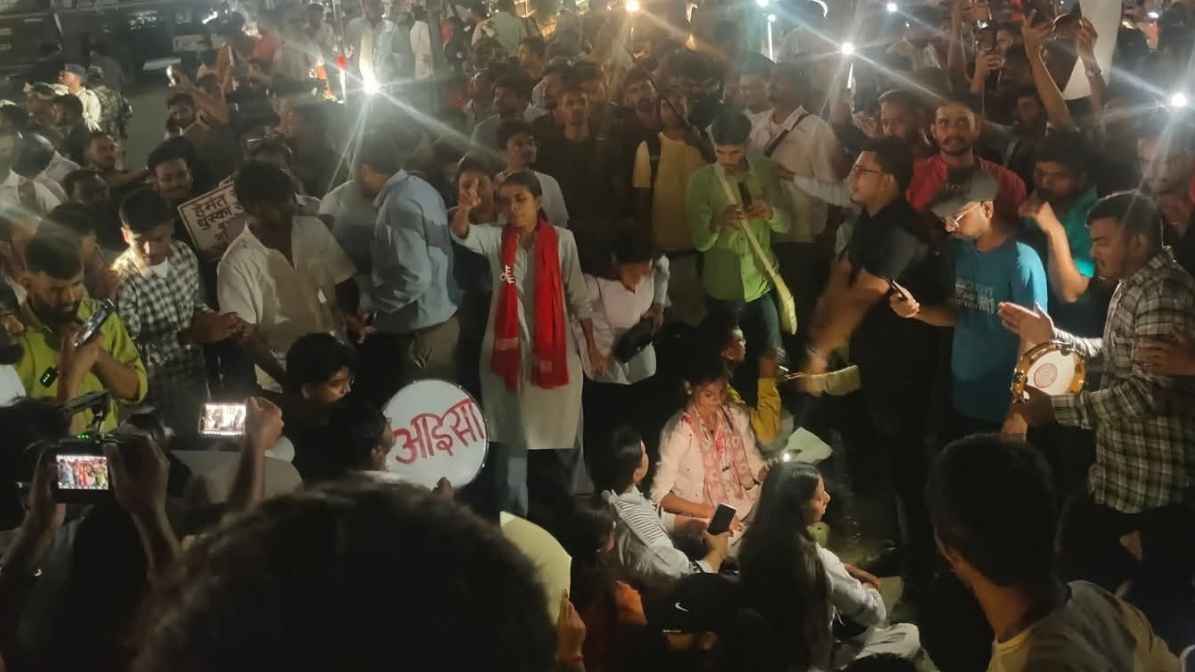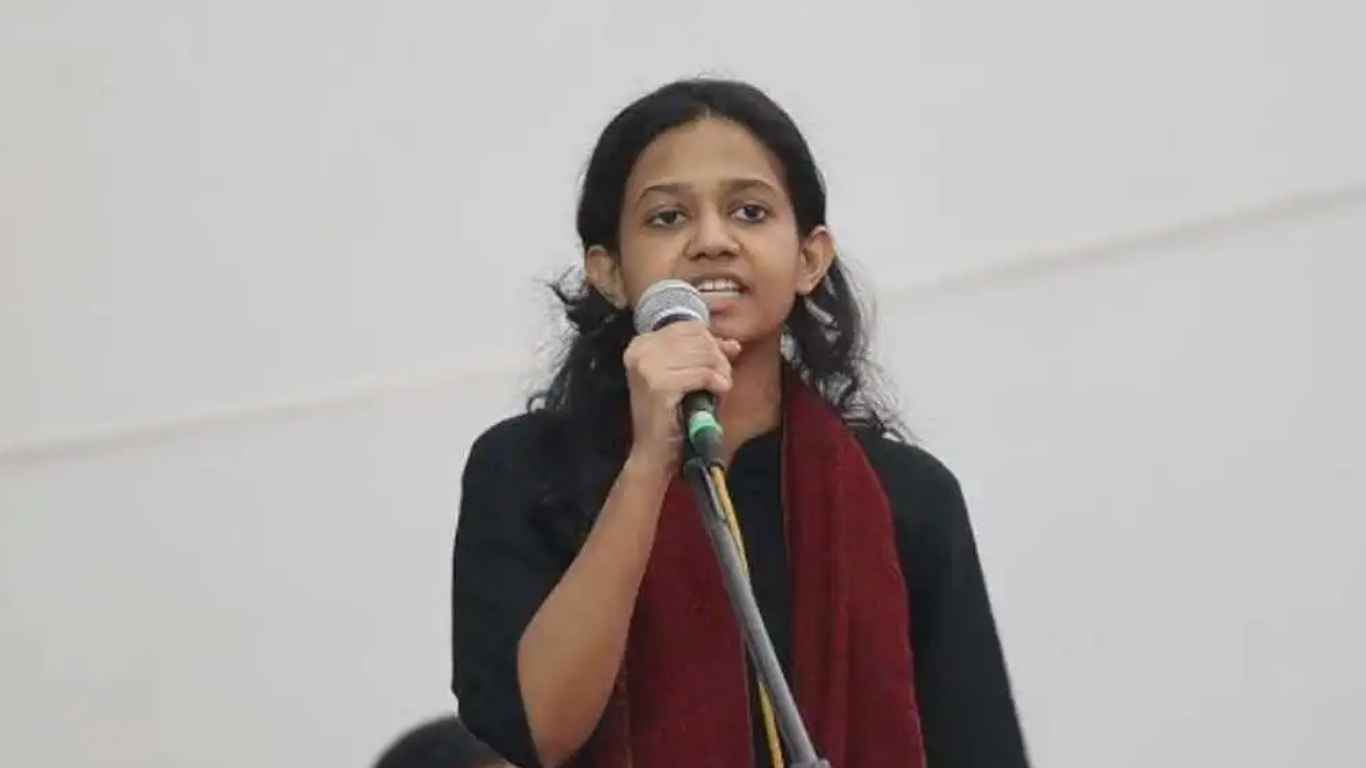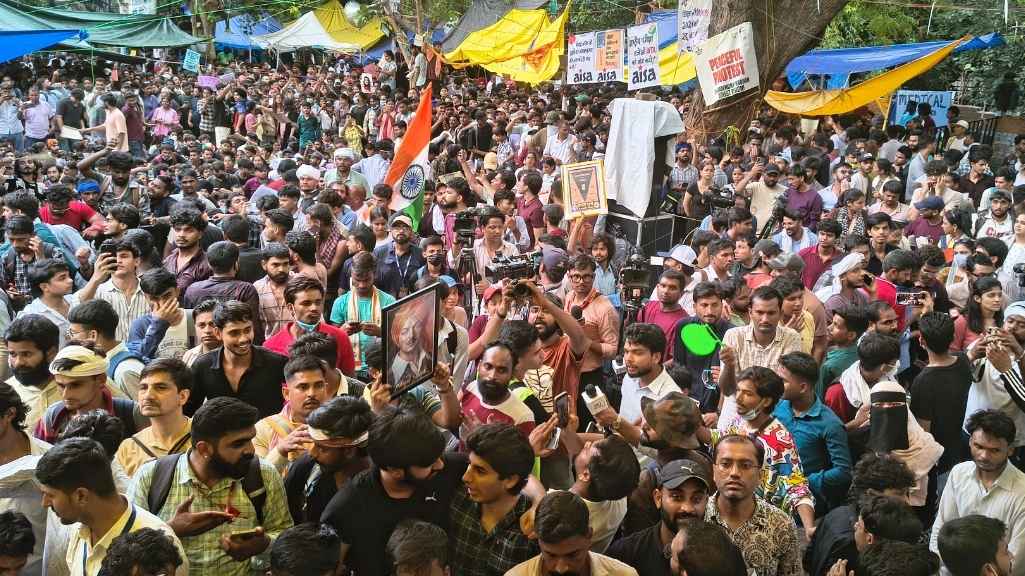
When the protests against paper leaks started in June, Jantar Mantar was just a venue. After the July 20 Parliament march followed by the resignation of Dharmendra Pradhan on 25 July, Jantar Mantar has become a metaphor for a new phase of people's protests in India. Needless to say, Jantar Mantar did not happen in a vacuum. It drew on the energy and experience of every previous popular protest movement in the Modi era – from the student protests in the wake of the institutional murder of Rohith Vemula to the most recent Noida-Manesar workers’ struggle for wage increase, and in between of course the unprecedented equal citizenship movement at Shaheen Bagh, the historic farmers' movement at Delhi borders and the women wrestlers agitation at Jantar Mantar.
Armed with the lessons learned from these previous struggles and backed by the unprecedented scale and intensity of youth anger, the Gen Z protest caught the Modi government off guard. The much tested and trusted protest-busting toolkit of the Modi-Shah regime proved utterly inadequate and the innate strength and resilience of the movement prevailed over the diabolical combination of cunning and violence. Having suffered a manifest loss of face and erosion of authority, the government is now desperately trying to corner the movement by unleashing state repression and media trial. In spite of agreeing to a general amnesty for all protesters, state governments in Bihar, West Bengal and a few other states went on a mass detention spree. While most detained protesters have been released, targeted harassment and intimidation continues by other means.
Repression apart, the Modi government is known for its narrative war against every movement. The student movement of JNU was sought to be vilified as 'tukde tukde gang', the anti-CAA protests were dubbed anti-national and the farmers' movement became a Khalistani conspiracy. Given the massive numbers and composition of the Jantar Mantar protesters where classes, castes, communities, cultures and generations met in a carnival of solidarity and resistance, it became difficult for the Modi government and its Godi Media to paint it with one brush. The government that used to wax eloquent about India's 'demographic dividend' now seems to be targeting an entire generation, and especially young women protesters, as a misguided lot. Clearly, the regime is worried that the Jantar Mantar movement poses a threat to the socio-cultural stranglehold and ideological regimentation of the RSS which is so central to the project of Hindu Rashtra. Modi's pretence of 'mercy for protesters' is actually a not-so-veiled attempt to incite a patriarchal backlash against young women protesters which has already emboldened his followers to target women with rape and death threats.
How do we carry forward the hope and resonance generated by Jantar Mantar in July 2026? In its most immediate context, the movement was against paper leaks and the proven incompetence and corruption of the NTA. The centralised NEET examination system and the policy framework of NEP 2020 have also been in question. The Modi government’s response so far has been to replace Dharmendra Pradhan with Pralhad Joshi, amend the Public Examinations (Prevention of Unfair Means) Act 2024 with harsher penal measures and appoint a task force under the leadership of Infosys chairman and architect of Aadhaar identification project Nandan Nilekani. Clearly, the government does not want to address any of the five core factors - centralisation, privatisation, commercialisation, technological fetishism and the ideological stranglehold of the RSS - responsible for the growing crisis of India's education and examination systems. In fact, if we take the proposed VBSA Bill into account, the problems are only bound to grow. The movement for urgent and effective reforms in the spheres of higher education and examination will thus have to be intensified.
Highly inspiring reports are now coming in of Gen Alpha (post-2012 generation) protests in Bihar, UP, Rajasthan and other states of North India against the crumbling state of affairs of India's school system. Thousands of government schools have been closed down, school infrastructure remains appallingly deficient, adequate appointment of teachers and improvement of teaching conditions and educational environment remains a far cry. Niti Aayog's own report puts the figure of schools closed down during last one decade at some 94,000, or an average of 25 schools a day! Nothing can be more reassuring for the future of democracy in India than a powerful upsurge of young India for universal quality education. Intimately connected with education is the agenda of employment. A big section of participants in the Jantar Mantar protest actually comprised jobless youth or those labouring away in insecure and extremely low-paid jobs. Right to education, right to dignified and secure employment with living wages, universal healthcare and housing rights and protection of the environment, and not the so-called size of the economy, must be at the core of any relevant agenda of economic development for India.
Jantar Mantar showed us glimpses of an unprecedented political awakening and assertion of India's Gen Z. This is a generation which has grown up entirely in the Modi era, is extremely well-informed and is drawing its political conclusions on the basis of its own bitter first-hand experience of the disastrous Modi-Shah regime. This is a digital generation which honed humour and satire as its language of protest and defiance, and not only exposed and rejected the Godi Media but developed its own alternative media. Serial paper leaks and all pervasive corruption triggered the Jantar Mantar explosion, but the youth upsurge is not going to remain limited to these issues. The real agenda is effective change in India's education system and employment environment and enforcing the basic democratic principle of accountability. And the test of accountability is here to be applied to one and all. As the popular Gen Z slogan puts it, "Dharmendra Pradhan toh jhanki hai, Modi-Shah baki hai" or "picture abhi baki hai" (what you have seen is just a trailer, the film is yet to follow). Meanwhile we have seen one more trailer in the Bankipur bypoll in Patna with the BJP losing its traditional seat just vacated by party president Nitin Nabin as the party's 63% vote share in November 2025 dropped to 33%!