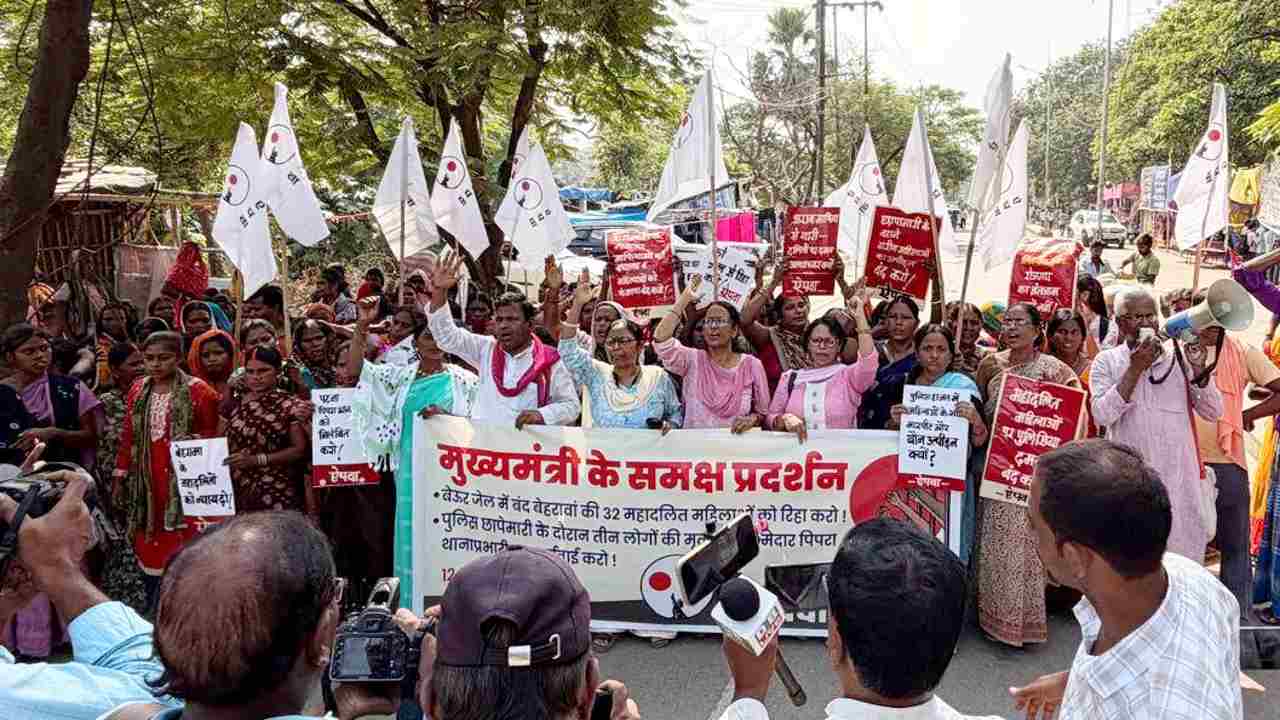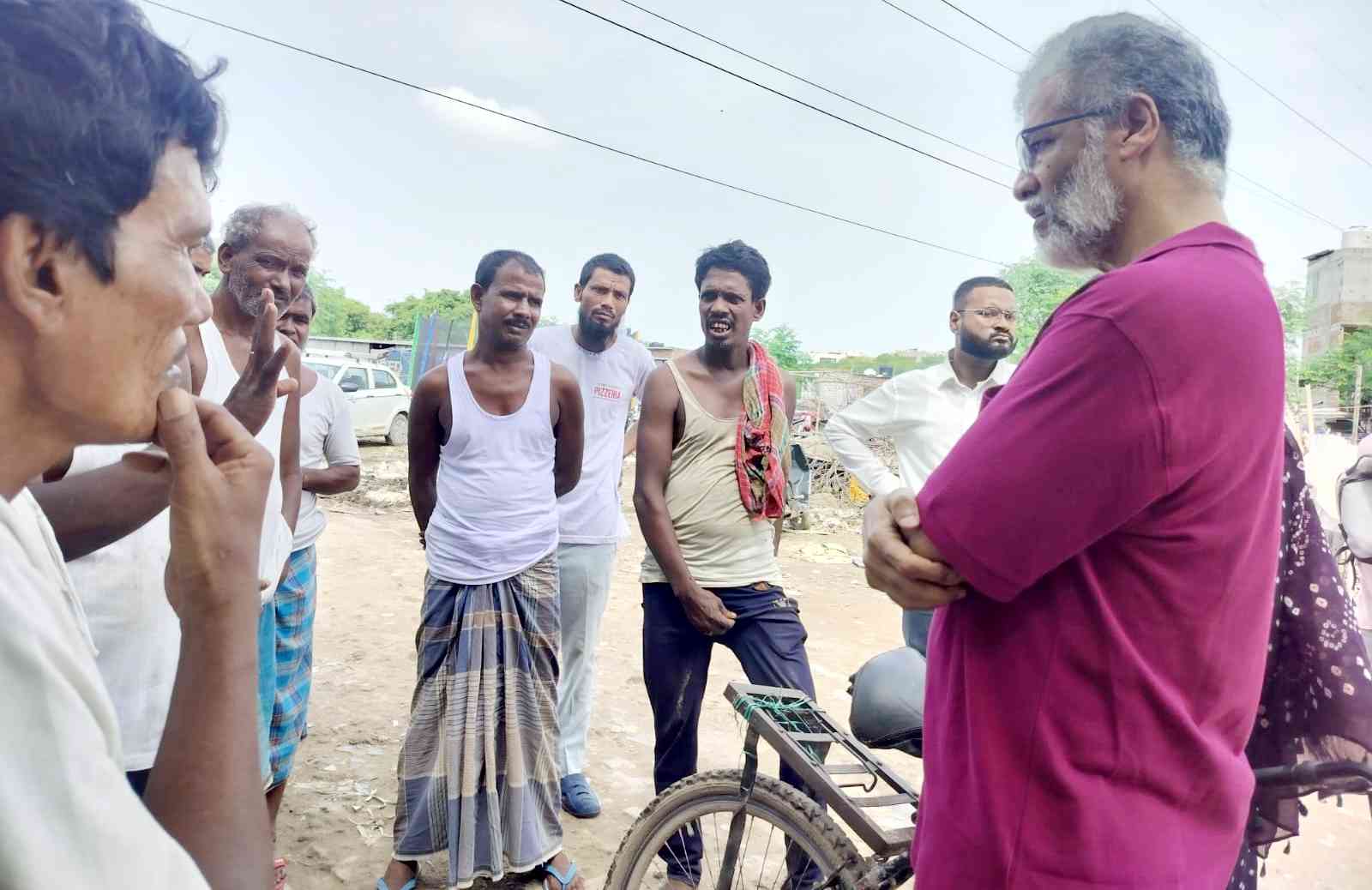
On 25 July, CPIML General Secretary Dipankar Bhattacharya led a delegation of political activists, lawyers, journalists and concerned citizens to Gurugram (Delhi NCR) – to visit the detention centres, meet the affected workers as well as the concerned officials.
Kalpana Wilson, Sucheta De, Akash Bhattacharya, Shayeri Mukhopadhyay and others from CPI-ML; Prakriti and Tazeen from the Association for the Protection of Civil Rights (APCR); Radha, Rupinder and Neeta from Gurugram; among others, joined the delegation.
Dipankar Bhattacharya expressed his solidarity with the residents of the camp who have bene living without electricity for over two weeks. They had earlier been targeted as Bangladeshis and last month their electric connection was cut due to the allegations of “encroachment”.
While due to the relentless pressure from civil society, progressive media and political leaders, the detainees have been released, the officials gave vague and highly unsatisfactory answers regarding the rationale and methods used for identifying “foreigners”.
At the DCP’s office it was confirmed that an official exercise – the first of its kind – had been undertaken based on a directive from the Ministry of Home Affairs (MHA) to all states and union territories, but the directive is neither available in the public domain nor was it shared with us by the DCP’s office. The officials failed to provide any cogent or satisfactory information regarding the legal basis or the standard operating procedure for carrying out this exercise.
Speaking to the workers, the team found that the detentions were mostly performed by men who claimed to be police officers, but were in plain clothes, arrived in unmarked vehicles, and bore no badges of name or identification. From various locations, multiple people were picked up and taken away to different detention centres/holding centres.
After holding them, they were asked to prove their citizenship, wherein documents such as Aadhar Card, voter ID card, ration cards, PAN cards etc were not considered sufficient. They were held in the police station for extended durations, the period lasting up to a week for some individuals, during which there also have been isolated reports of police brutality, torture, and offers made to the detained individuals to accuse some people from their colonies to be Bangladeshi if they wanted to get released. The authorities verified the detained peoples’ addresses through the police stations in their states of origin (Bengal or Assam), but did not provide the detainees with any certificate of verification before releasing them – making them vulnerable to future detentions and harassment.
The authorities are identifying suspects in a rather arbitrary manner – speaking in Bengali, having “Muslim” names, and living in workers’ jhuggies. The biased and discriminatory attitude of the officials came through when we questioned them on the procedure.
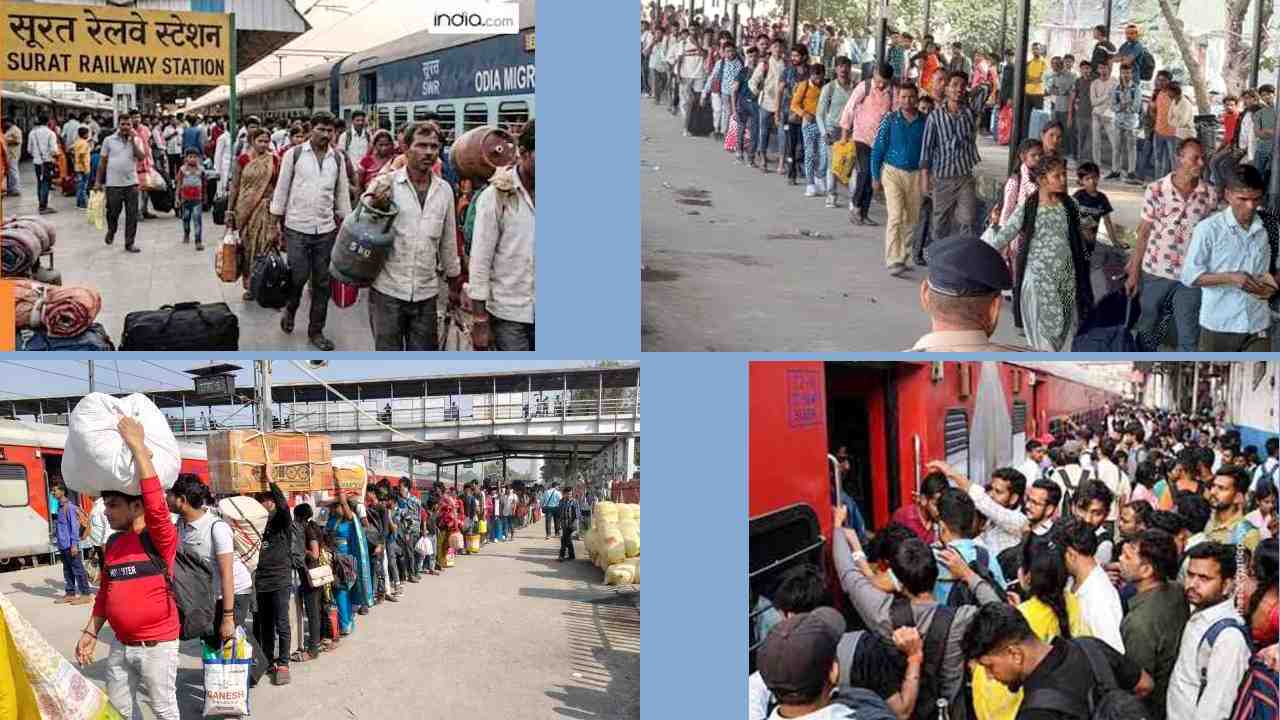
The arbitrary, brutal and highly discriminatory nature of the procedure has left thousands of Bengali speaking migrant workers in a quandary. They left their homes in Assam and Bengal in search of livelihood and have nothing to go back to.
But fear of imprisonment, deportation and harassment is forcing thousands to leave. They have received little support from their employers and landlords. In the Bengali market of Sector 49, the workers told us that the police asked them to leave by 1 July or face detention.
CPIML congratulates citizens, progressive media and leaders of the INDIA alliance for building enough public pressure to ensure the release of all detainees in Gurugram for the moment. But the situation remains grave.
CPIML demands that the relevant MHA order and the Standard Operating Procedure should be immediately released in the public domain. The rationale and the methods of identification and verification must be made public.
CPIML calls upon all labour unions, civil society groups and political parties to stand together and put an end to this administrative arbitrariness, discrimination and harassment of people on grounds of their language, religion and occupation, and the attempted disenfranchisement of Bengali speaking migrant workers.