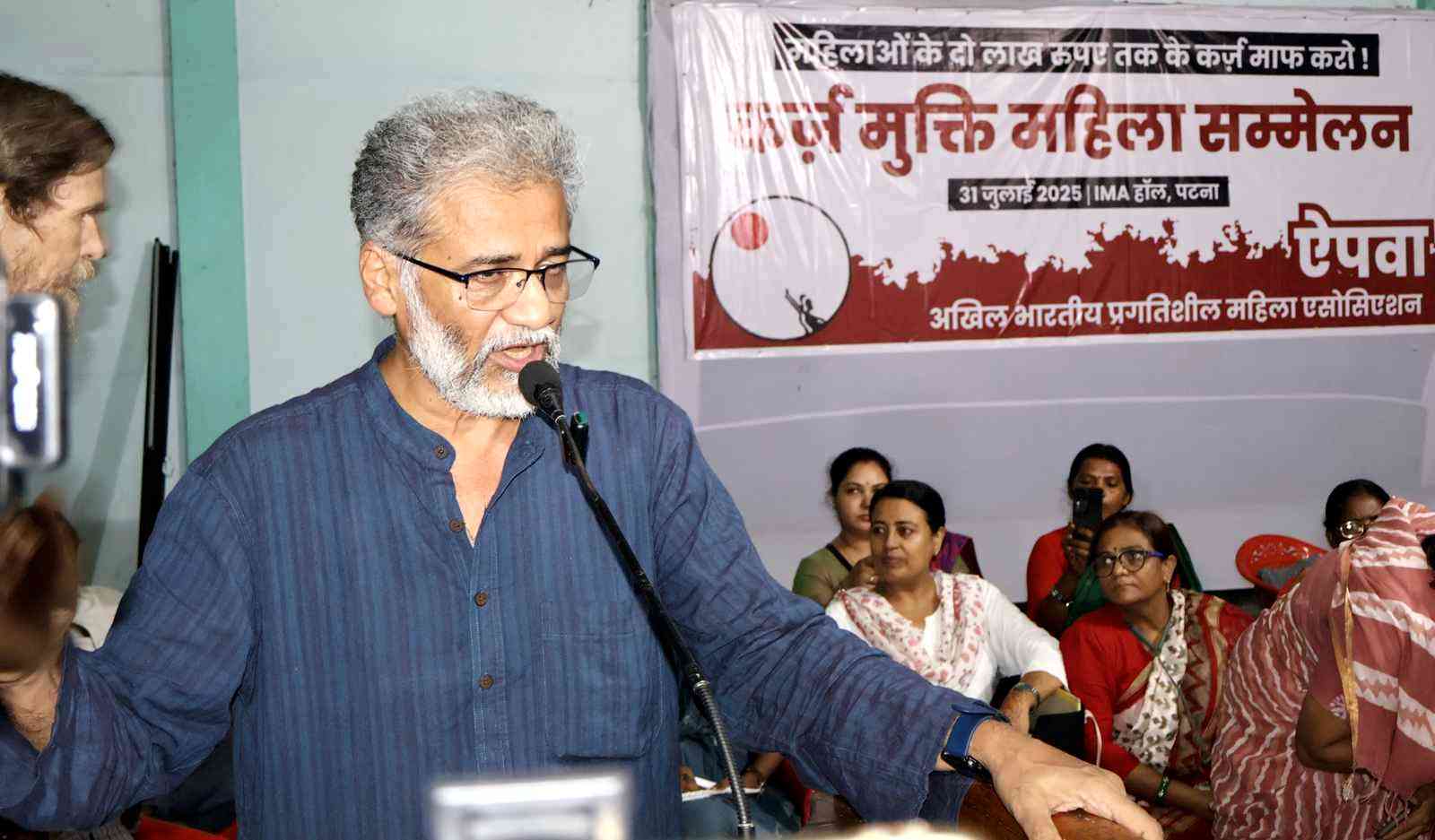
On the occasion of the birth anniversary of renowned Hindi writer Munshi Premchand, a Karza Mukti Mahila Conference (Women’s Freedom from Debt Conference) was organised at IMA Hall, Patna on July 31. The event witnessed the participation of a large number of women grappling with mounting debt burdens. The women shared their pain, anger, and determination to resist what they described as systemic exploitation.
Addressing the conference, CPI(ML) General Secretary Dipankar Bhattacharya stated that the government’s current policy framework seems designed to push people into debt so that they cannot raise other critical questions. He pointed out that in Bihar today, women, farmers and the poor are caught in a debt trap, while the ruling establishment is preoccupied with religious rituals and spectacle.
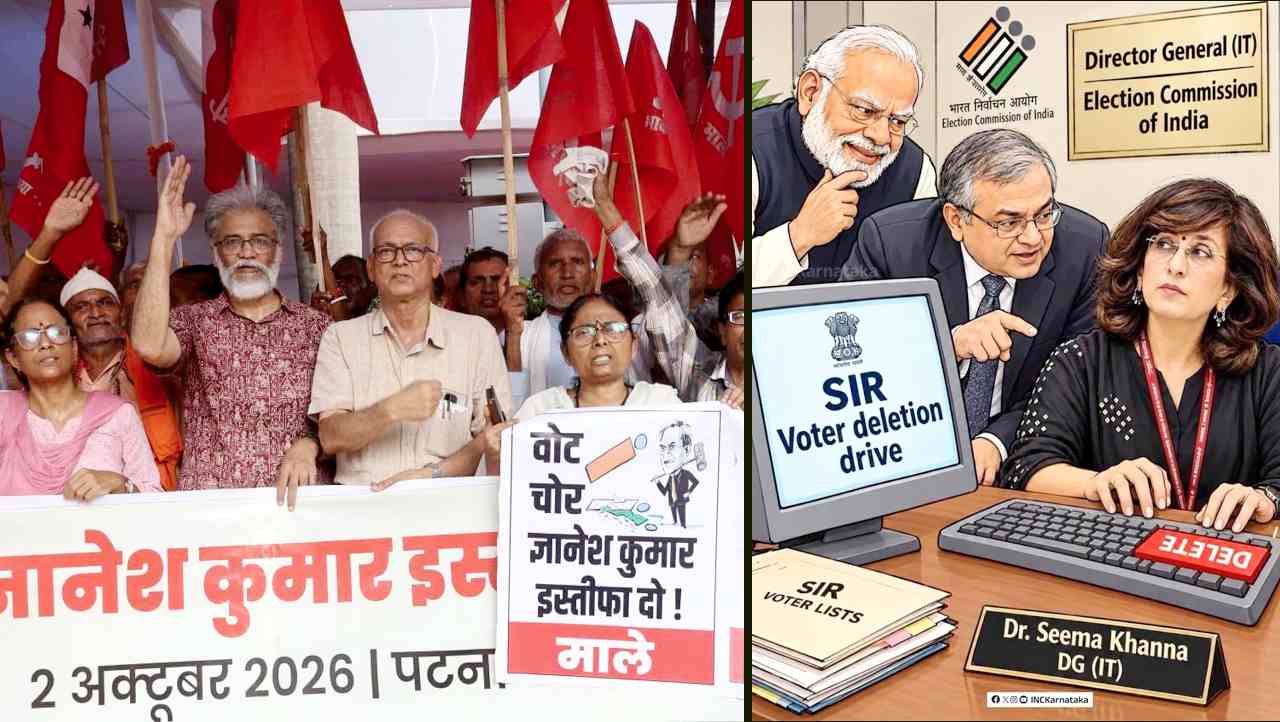
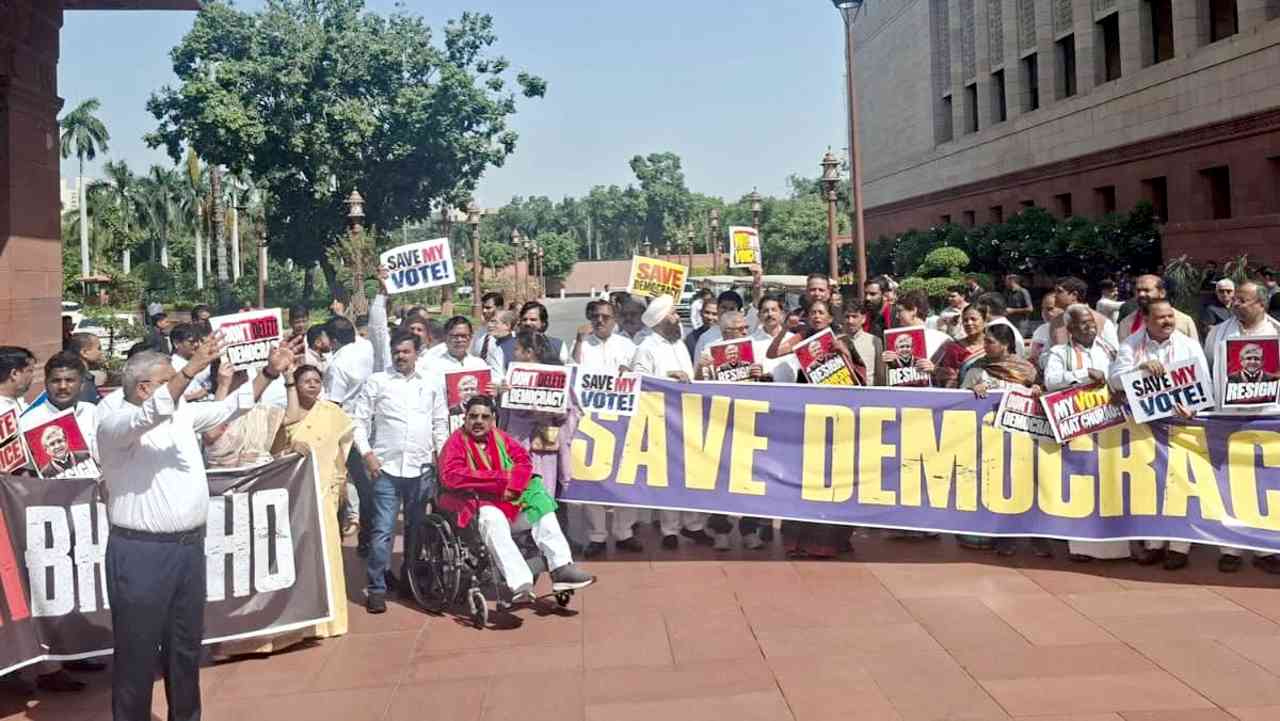
“This is a cruel joke, while people are dying by suicide, struggling for jobs and food, the government is busy with SIR exercise aimed at disfranchising people,” he said. “Debt must now become the biggest issue in the upcoming Bihar Assembly elections,” he added, calling for a statewide campaign with the slogan: Sudakhor Bihar chhodo! Chunav chor gaddi chhodo! [Moneylenders Quit Bihar! Vote Thieves Quit Power!]
Noted economist Jean Drèze warned that debt, which people take during times of need, has now turned into a noose. Compound interest is being levied at exorbitant rates – sometimes 35% to 40% – and even interest is being charged on interest, he said.
He highlighted that microfinance companies, often operating under fake names without transparency, are thriving unchecked in Bihar and Jharkhand, while governments remain mute spectators. “Even RTI fails to provide information about these companies. There is no monitoring, no action,” he said.
AIPWA National Secretary Meena Tiwari revealed alarming figures. In 2020, microfinance companies had disbursed around Rs.6,000 crore in Bihar. By 2023, this had soared to Rs.49,500 crore.
She stated that alongside this explosion in profit, exploitation of women has also skyrocketed. “Women are being subjected to humiliation, coercive recovery, and financial ruin. These companies, which began under the guise of ‘women’s empowerment’, have now become instruments of pure exploitation,” she said.
Addressing the conference, Kalpana Wilson of South Asia Solidarity Group (SASG) called for an immediate halt to the predatory practices of private microfinance institutions. “We need policies that ensure women have access to dignified employment and fair wages, not suffocating loans,” she said.
A large number of women associated with Jeevika, NRLM and other self-help groups testified about the crushing impact of debt on their lives. Many wept openly as they shared how agents harassed them, how they were forced to divert all income towards paying interest, and how they were driven to thoughts of suicide. “We can’t pay school fees, or medical bills. Everything is ruined,” said one of the women.
Opening the session, Vandana Prabha referred to Premchand’s novels to illustrate how the burden of debt has long crushed Indian society, particularly its women. A documentary film on debt was also screened at the event.
Other speakers included Prof. Vidyarthi Vikas, MLC Shashi Yadav, MLA Mahboob Alam, Saroj Chaubey, Anita Sinha, Sohila Gupta, Meera Dutt, Divya Gautam, Rita Barnwal, Bharti S. Kumar, Manju Prakash, and Sangeeta Singh, among others.
The following proposals were adopted during the event:
Enactment of a Strict Law: Bihar, one of India’s poorest states, holds one of the largest microfinance portfolios. Like other states, where regulatory laws were introduced after public outcry, Bihar must immediately enact a strong, transparent law to monitor microfinance operations and prevent exploitation.
Support to Suicide-Affected Families: A district-wise identification of suicide cases due to debt must be carried out. Each bereaved family should be granted ₹20 lakh as immediate compensation. The state should also provide protection and debt relief to the thousands who have been forced to flee villages due to coercive loan recovery.
Low-Interest Loans: All eligible women must be given access to loans from public sector banks at a subsidised annual interest rate of 2%, to free them from exploitative microfinance institutions.
Employment and Market Support: All women associated with Jeevika groups should be provided dignified employment. The government must ensure procurement of their products.
Independent Social Audit of Jeevika: An independent social audit of the Jeevika programme must be conducted at the gram panchayat level, and findings must be made publicly available to ensure accountability and transparency.