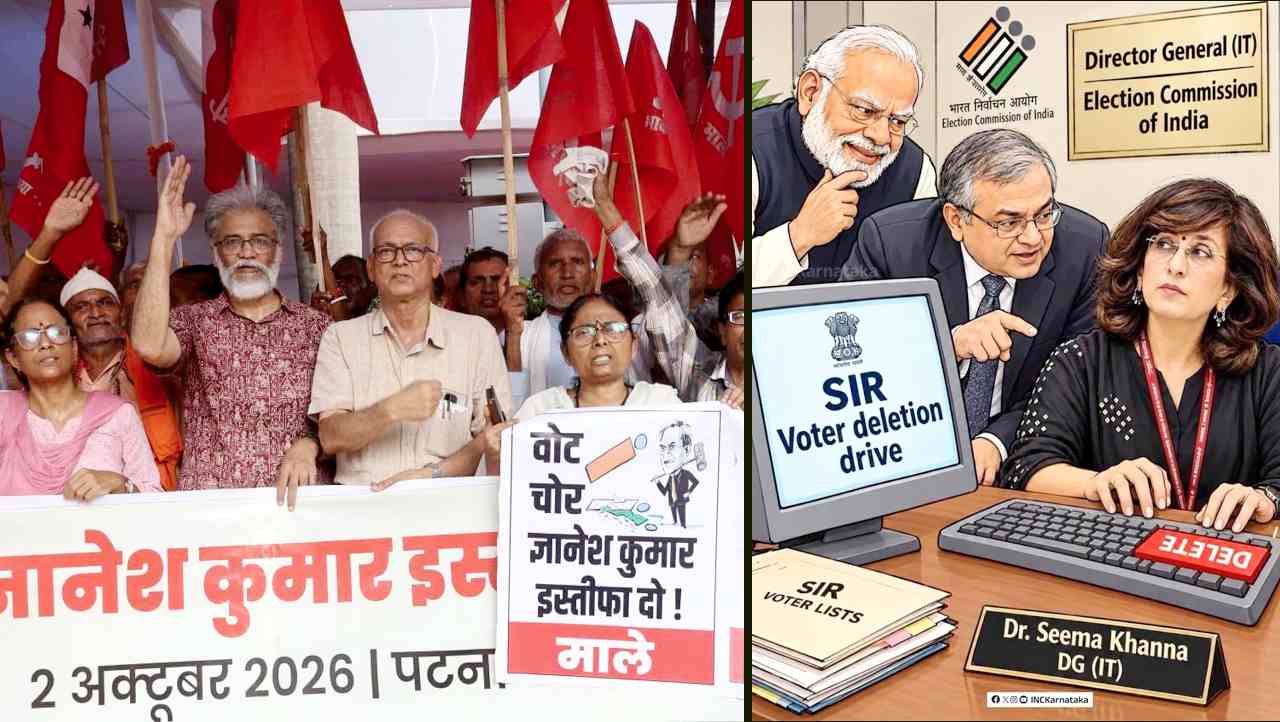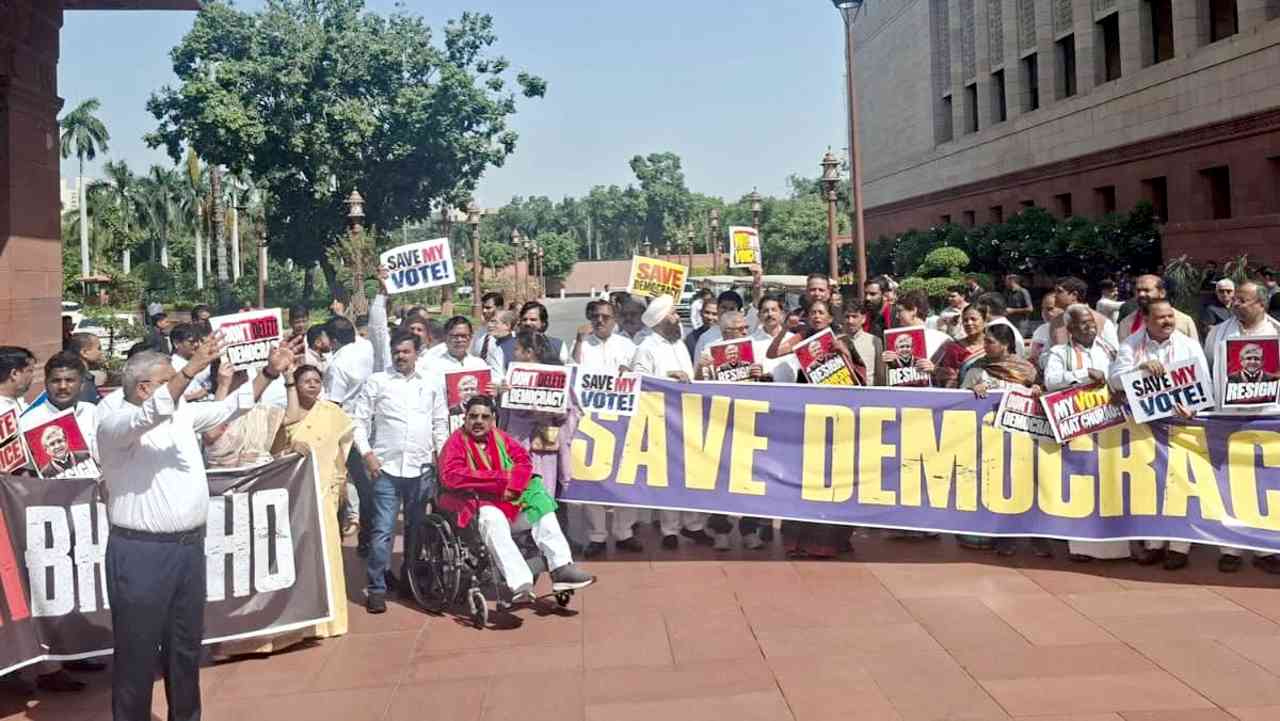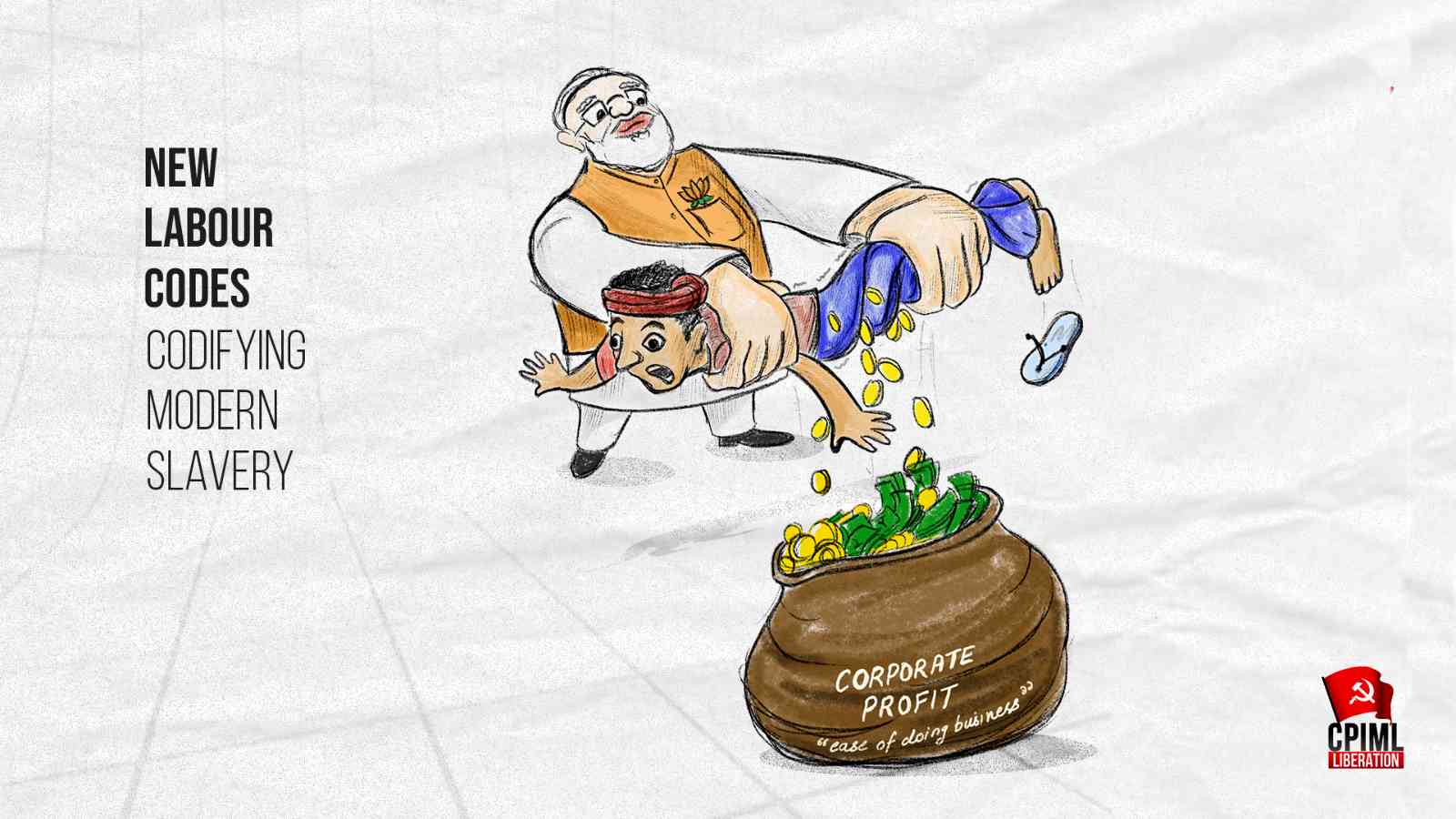
On 21 November, 2025 the Modi government finally brought the four Labour Codes into force. Despite bludgeoning through these new laws in Parliament, without any discussion, in 2019 and 2020, the Modi government, faced with massive opposition from the Trade Unions, had to reluctantly withhold the enforcement of these Codes. However, having orchestrated the biggest electoral fraud of Independent India in the Bihar assembly elections, and emboldened by its total control over the election machinery, the Modi government has now declared that the four Labour Codes would come into force immediately.
Like the replacement of the IPC with the Bharatiya Nyay Sanhita, the government presents the new Labour Codes too as another act of decolonization, of doing away with the colonial legacy and colonial era laws. This is a blatantly false claim. The labour laws that had started taking shape in the colonial period - from the Factories Act 1881 to the Trade Unions Act 1926 and Trade Disputes Act 1929 and the like - were not colonial gifts but products of the great anti-colonial awakening and struggles of the Indian people. And one of the greatest champions of labour rights since India's colonial days was none other than Babasaheb Ambedkar who had gone on to become the Chairman of the drafting panel of the Constitution of India. The Labour Codes do not attack India's colonial legacy, they only undermine India's anti-colonial and constitutional history.
Ambedkar’s intervention in the late 1920s mill strikes and his founding of the Independent Labour Party in 1936 had signalled a militant commitment to freeing workers from exploitation while confronting caste as the primary obstacle to working class unity. He declared the ILP a fighting organisation for labour, advancing a legislative programme for secure employment, fair wages, regulated hours, social security and industrial rights. Rejecting the lie that caste is a “division of labour,” Ambedkar had exposed it as a “division of labourers” and called for the united organisation of workers as an independent political force. Like the fight for abolition of landlordism and usury, the battle for working class rights too constituted a glorious and integral stream of India's freedom movement. The founding generation of India's communist leaders, Ambedkar and many Congress stalwarts were closely involved with the stirrings of the Indian working class for a life of dignity and for a just society in a free country.
The new Labour Codes subordinate the agenda of labour rights to corporate greed. In the name of abolition of Inspector Raj, the new Labour Codes abdicate the state's responsibility to enforce any kind of regulatory framework to ensure compliance with the laws of the land, principles of fairness and justice and safety of workplaces. Subjecting the working class to more work for less wages, less security and less freedom is the real purpose behind the new Labour Codes which are being advertised as a great new deal for India's workers. While the state abdicates its responsibility to enforce labour welfare, the new codes are designed to stop workers from getting organised and fighting for their rights. The codes run counter to the constitutional foundation of liberty, equality and fraternity; and negate the clarion call issued by Ambedkar - "Educate, Agitate, Organise".
The four Labour Codes are dictated by the same agenda of corporate takeover that had earlier given rise to the three farm laws repealed under the pressure of the historic farmers' movement. The farmers' organisations succeeded in pushing back the Modi regime by their remarkable unity, stamina and determination. The power of this historic movement had attracted the attention and support of the whole country generating a great spirit of worker-peasant solidarity and broader social support. The working class movement too will have to follow the same path of forging broader class unity and waging a sustained struggle to defeat the onslaught of the four Labour Codes. The new laws seek to give an impression of addressing the core concerns of diverse sections of Indian working class while truncating their fundamental right to organise and fight.
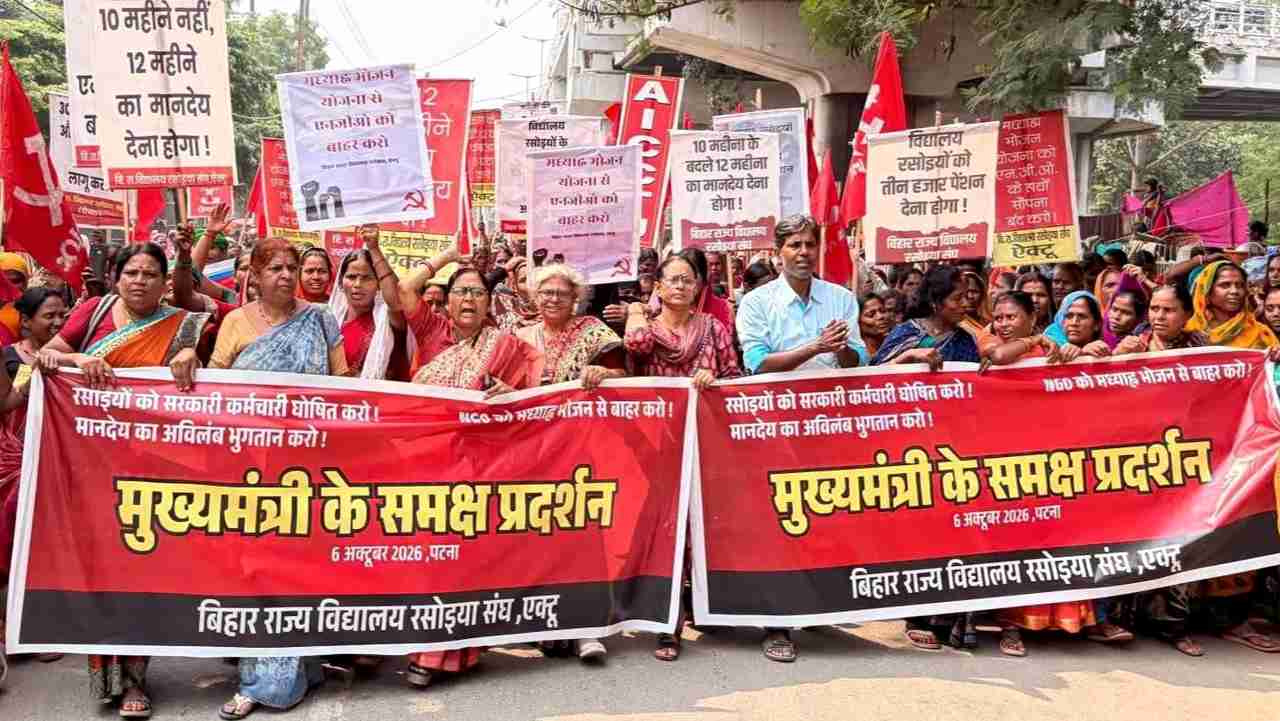
Let us take the fight against these codes of slavery to those very sections of workers - from casual, contract and outsourced workers, the expanding contingent of gig workers and IT employees to India's most oppressed and exploited women workers - who will be most adversely affected by this new system. The four Labour Codes are all about subjecting India's workers to the dictatorship of private employers and to the chains of corporate control. The battle against these codes will write a new chapter in the history of working class awakening and advance in India.